
Madison Resident Lookup Sources
No single roll lists every person in Madison. The useful starting point depends on the fact that needs proof. County tax rolls connect an owner to a parcel but do not prove who lives there. Court indexes connect a named party to a case. Vital records document an event, while voter tools confirm a person's own registration and district details. Business and license databases show an official tie, not a home address.
| Record | What It Confirms | Where | Access |
|---|---|---|---|
| Property | Owner, parcel, mailing and situs address | Madison Assessor or Limestone Revenue | Free portal and counter |
| Voter | Personal registration, polling place and districts | Alabama Votes | Protected fields may be withheld |
| Court | Party, case, filing date and disposition | Municipal Court, Alacourt or clerk | Portal, paid view or request |
| Vital | Birth, death, marriage or divorce event | ADPH, Probate Judge or clerk | Some certificates restricted |
| Business or license | Agent, officer or credential status | Secretary of State or state board | Free search |
| Unclaimed property | Name and an old-address clue | Alabama Treasury | Free official search |
Start with the strongest known fact. An address points to the correct county roll. A case number points to the correct clerk. A license number is more exact than a name. When only a name is known, keep each result as a lead until another independent record agrees on county, middle initial, date, parcel, case, or credential number.
Confirming Madison Name Matches
The same-name trap is the chief weakness in a resident lookup. Madison Municipal Court, the Madison and Limestone county courts, Probate Courts, and the federal court are separate systems. A search result from one does not speak for the others. In tax records, a mailing address can also differ from the parcel's situs address. Neither field, standing alone, proves current occupancy.
Use a short verification chain. First, anchor the name to an official identifier. Next, compare an independent source. Last, read the underlying record when the result matters. A practical flow is name → parcel or registration → case or deed identifier → source document. For a historical question, move from the modern record to probate notices, deeds, or the Madison city directory collections.
- Search the correct county property roll and separate mailing address from property address.
- Write down the PIN, parcel number, tax year, subdivision, and any deed reference.
- Check a court, voter, business, license, or vital source that fits the question.
- Require two independent matches before treating two name results as one person.
- Order or inspect the source filing when an index alone leaves doubt.
Note: A middle initial, date, county, and source number are safer identity checks than a familiar name or mailing address.
Madison Court Lookup Channels
A court search must begin with jurisdiction. Madison Municipal Court keeps city misdemeanor and traffic files at 100 Hughes Road. County Circuit and District Court leads may appear through Alacourt or Just One Look, while a specified Madison County file can be requested from the Circuit Clerk. Probate files, including estates, wills, and guardianships, remain with the Probate Judge. Federal cases use the Northern District channel.
The official Madison court records request page shows the clerk fallback when a portal result is incomplete. The captured page below is a reminder that a request should identify the record precisely.
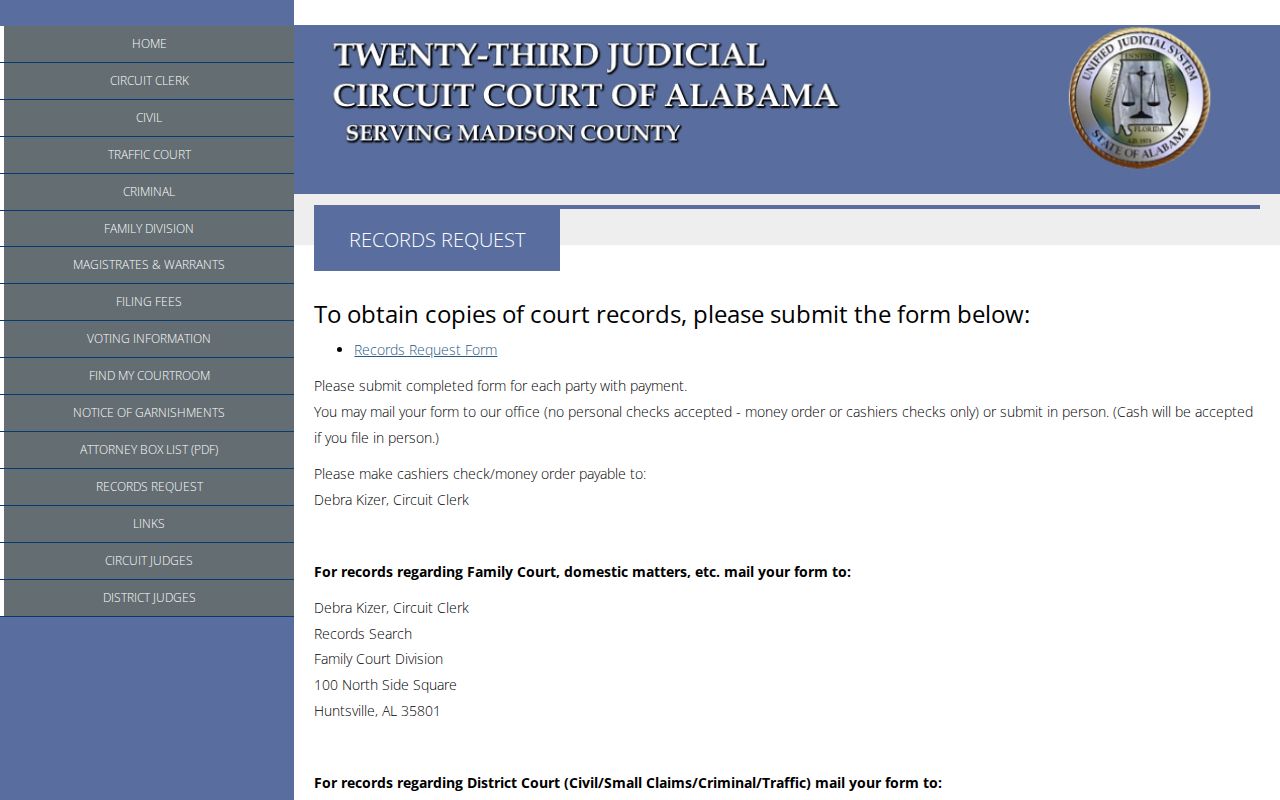
The request form accepts a case number, record description, date of birth, and alias. Allow two weeks. A computerized search is $10, a paper search is $20, and an archive or microfilm search is $25. The fee applies even if no result is found. Confirm the payee before mailing because the form contains an inconsistent prior-clerk reference.
| Result Field | What It Adds |
|---|---|
| Case number and court | Fixes the file and jurisdiction |
| Party name and role | Distinguishes plaintiff, defendant, or another party |
| Filing date and type | Places the matter in time and context |
| Events and disposition | Shows progress and outcome when public |
| Document link | Opens the underlying filing when available |
Reading Madison Lookup Results
Index language can make a valid result look more complete than it is. A docket is the court's running list of filings and events. An index is a finding aid that points to a record; an image is the actual scanned document. A certified copy is an official copy authenticated by its custodian. These are not interchangeable.
- Docket
- The ordered case log, usually showing events, dates, parties, and disposition.
- Index versus image
- The index locates a filing. The image contains the filing's text and may require separate access.
- Certified copy
- A custodian-authenticated copy used when plain printouts are not enough.
- Situs address
- The parcel's physical location, which may differ from the tax mailing address.
Sealed, juvenile, expunged, adoption, and other protected matters may be absent or redacted. A blank result does not prove no case exists. It may mean the search used the wrong court, county, name form, or date range. For street-wide ownership research, shift to the Madison directory by street instead of forcing a court index to answer an address question.
Madison Vital Record Lookup
Alabama vital certificates are event records, not an open resident list. The Alabama Department of Public Health holds births and deaths from 1908 forward, marriages from August 1936 forward, and divorce certificates from 1950 forward. Earlier marriages belong with the county Probate Judge, while an earlier divorce file belongs with the Circuit Clerk. A Madison event may therefore lead to either Madison County or Limestone County.
Birth certificates stay confidential for 125 years. Death certificates stay confidential for 25 years. Eligible family, estate, or legally authorized applicants must show identification for restricted copies. Marriage and divorce certificates in the stated state series are unrestricted, though a divorce certificate is not the same as the court file. Requests go through any county health department, by mail, or through the designated vendor; routine state-center walk-ins are no longer accepted.
The first copy or search costs $15 and each extra copy of the same record costs $6. The official ADPH vital-record application asks for the subject's full name, date and county of event, parents' pre-marriage names where relevant, applicant contact, relationship, and legal right. False applications carry penalties under Ala. Code §13A-10-109.
Madison Adoption Record Route
A common myth says every birth record can be found by name. Alabama closes recent birth certificates, and adoption files have their own lawful path. An adoptee age 19 or older may use Ala. Code §22-9A-12 to request a noncertified original certificate and sealed-file documents. The $25 search and file-placement charge is nonrefundable.
Birth parents may place a contact, intermediary, or no-contact preference with medical history. That process protects choices that a broad resident lookup cannot show. It is also the right official route for a personal family search. The ADPH adoption desk can be reached at 334-206-5426. A court party search, tax roll, or compiled people finder cannot replace this sealed-file process.
Key limit. A resident lookup should never be used to bypass a protected record or a person's stated contact preference.
Protected Madison Voter Addresses
Alabama Votes lets a person check personal registration, polling place, and districts. It is not a public block browser. State and federal registration follows the resident's county, so Madison searches must respect the split between Madison and Limestone Counties. Alabama also has no permanent party registration. Participation history records that an election was attended, never how anyone voted.
Under Ala. Code §17-4-33(b), qualifying protected voters and domestic-violence survivors may file an affidavit. Their names remain on public lists, but residence and mailing addresses are omitted. A missing address can therefore reflect a lawful safeguard rather than a bad search. Bulk lists have separate request rules and fees, and not every field kept by the state is released in each public form.
The Alabama voter-list request sets the separate format and fee route for list access. For other material, the Secretary of State public-records form requires a specific description, Alabama citizenship and identification details, contact information, delivery choice, and a spending ceiling.
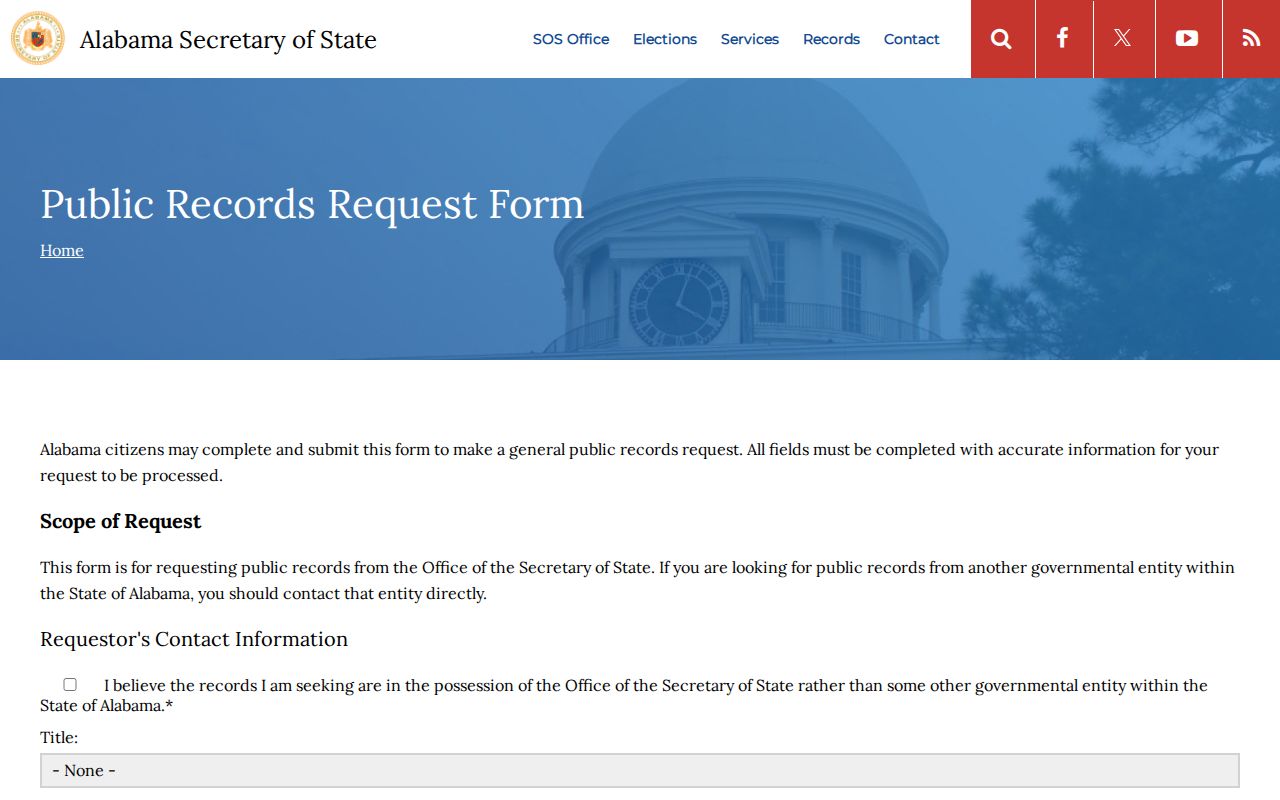
The form makes clear why a focused request is stronger than a broad demand for personal data.
Madison License Record Checks
A professional license or business filing can verify a public affiliation. It does not establish Madison residence. The Alabama Secretary of State search accepts an entity name, entity number, or officer, agent, and incorporator search. Some corporate records from 1949 through 2010 are referred to the Alabama Department of Archives and History. Madison business-license listings may also be requested from the city at $1 per page.
The Alabama Board of Nursing verification is a well-documented state example. Search by license number or name. Results show name, license number and type, status, issue and expiration dates, encumbrance history, physician where applicable, and a print option.
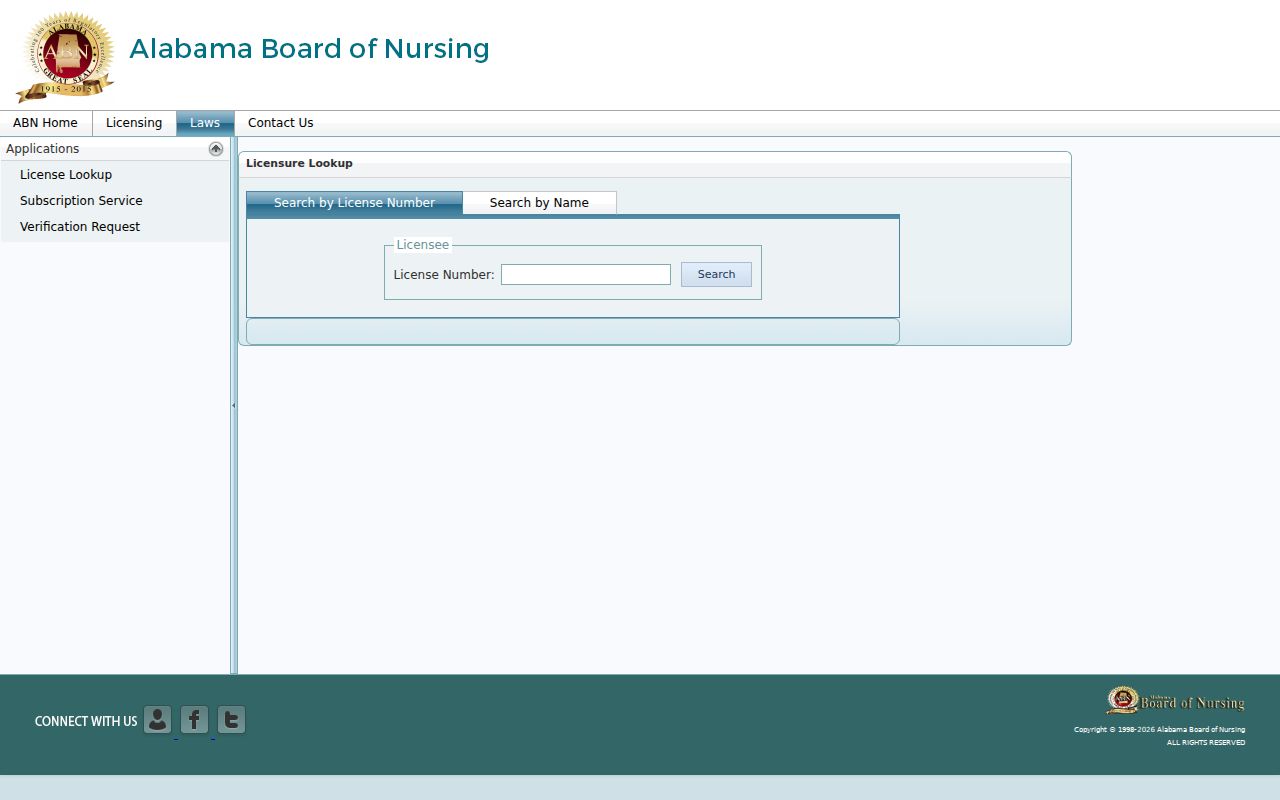
Those fields can separate two people with similar names, but a credential record should be paired with a location-bearing source before drawing a Madison link.
The ALEA Community Information Center is another official system with name and place fields, including city, county, ZIP, and radius.
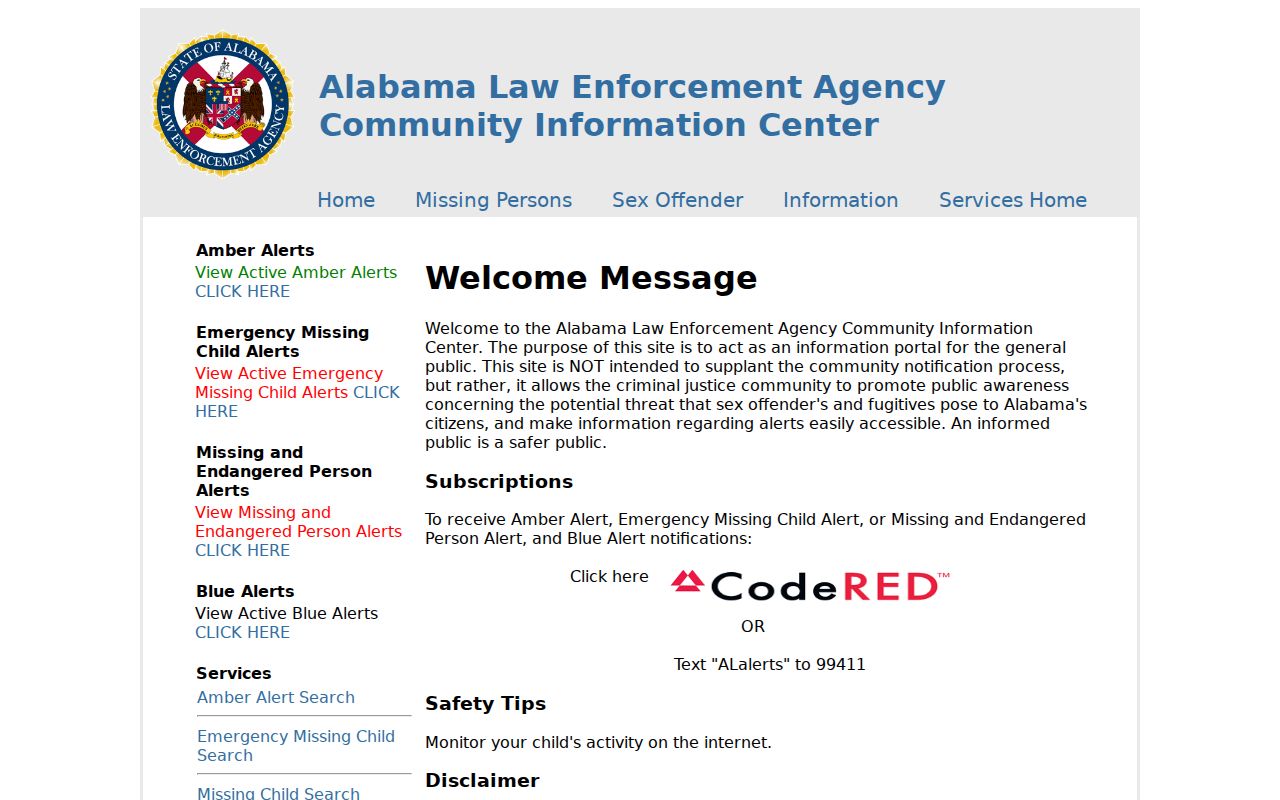
Its statutory scope and exclusions matter. Some juvenile, Youthful Offender, and out-of-state categories are not in the public data, and the agency forbids harassment or crime based on registry information.
Legal Limits on Madison Lookups
Official records have source-specific limits. The Driver's Privacy Protection Act restricts motor-vehicle personal data, and Alabama's third-party motor-vehicle request requires identification, a certified permitted purpose, signature, and fee. Court sealing, vital-record eligibility, voter address protection, and adoption rules remain in force even when another index shows the same name.
Correct a bad fact with the office that created or keeps the record. For a city record, Madison's public request channel applies its own procedure and fees. State or county records follow their own custodian rules. Under the Alabama Open Records Law, Ala. Code §§36-12-40 and 36-12-41, Alabama citizens may inspect and copy public writings subject to statutory, privileged, security, and other exceptions. The law has no universal response deadline.
Lawful personal use. Use Madison records for a legitimate personal purpose. Never use a name, address, or record to stalk, harass, intimidate, or harm anyone.
A careful Madison resident lookup records the exact source, date, identifier, and access limit. It keeps leads separate from proof. Most of all, it stops when a custodian marks information confidential, sealed, or protected.